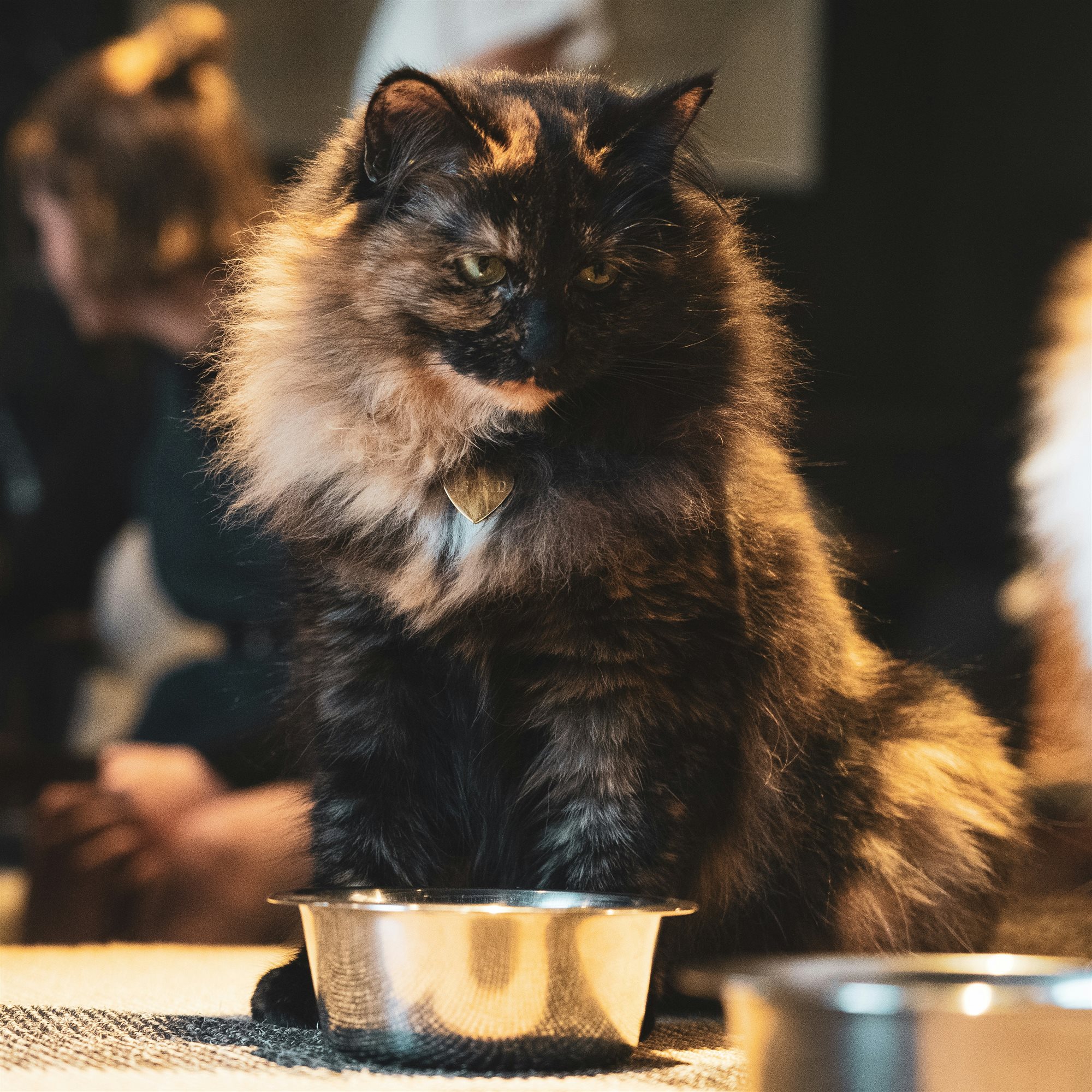
Skipping one meal is not the same as not eating
A cat that walks away from breakfast and eats dinner fine is being picky, not sick. The reasons owners actually need to worry about are different: dental pain, an upper respiratory infection that blocks smell, kidney disease, or stress from a change at home. The Cornell Feline Health Center lists smell loss and mouth pain as two of the most common, fixable causes, and both are easy to miss because the cat still shows up at the bowl, sniffs, and leaves. The difference that matters is not one skipped meal but a cat that refuses food for a full day or more.
What owners on OnlyMeows found
- Warming wet food to close to body temperature worked more often than any other single change. A few seconds in the microwave, stirred and tested before serving, brings out the smell that dry food at room temperature does not have, and smell is most of what gets a cat interested in the first place.
- A splash of low-sodium broth or the juice from tuna packed in water turned down food back into something a picky cat would touch, though a few owners found the cat then held out for the topper and ignored plain food once it was gone.
- Moving the bowl away from other cats and away from the litter box helped in multi-cat homes specifically. A cat that feels watched while eating, or that has to walk past a box it does not like to reach the food, sometimes just stops going near either.
- Switching to a wide, shallow plate instead of a deep bowl helped cats that approached the food, then backed off. Whiskers pressed against the sides of a narrow bowl bother some cats enough to put them off the food entirely, not just the container.
- Waiting out a new food switch worked better than forcing it. Several owners reported that mixing the new food in gradually over a week, instead of swapping it outright, was the difference between a cat that adjusted and one that stopped eating altogether.
He'd sniff the bowl, look at me, and walk off. Turned out it was the bowl being a foot from the litter box the whole time. Moved it to the counter and he ate that night.
What did not help
Switching brands repeatedly to find something the cat would eat tended to make the pickiness worse, not better, in owner reports. A cat that learns that refusing food gets a different, often more appealing option offered next sometimes keeps holding out. Home appetite stimulants and forcing food with a syringe without a vet's guidance also came up as things owners tried and later regretted, since untreated causes like dental pain do not go away because the cat swallowed a meal.
When it means a vet visit
Twenty-four hours without food is the line most vets use for calling in, not just for cats already at risk. According to veterinary guidance from the University of Illinois College of Veterinary Medicine, cats that go several days without eating anything can develop hepatic lipidosis, a form of liver disease brought on by the cat's own body breaking down fat reserves too fast once it stops eating. It develops faster in overweight cats. Vomiting, lethargy, hiding, or weight loss alongside the lost appetite are signs to call the vet the same day rather than waiting to see if the cat comes around on its own.